25 Best English Novels Ever Written: Ranked
A curated, opinionated ranking of the 25 best English novels ever written, with honest mini-reviews, difficulty ratings, and recommendations on where to start.
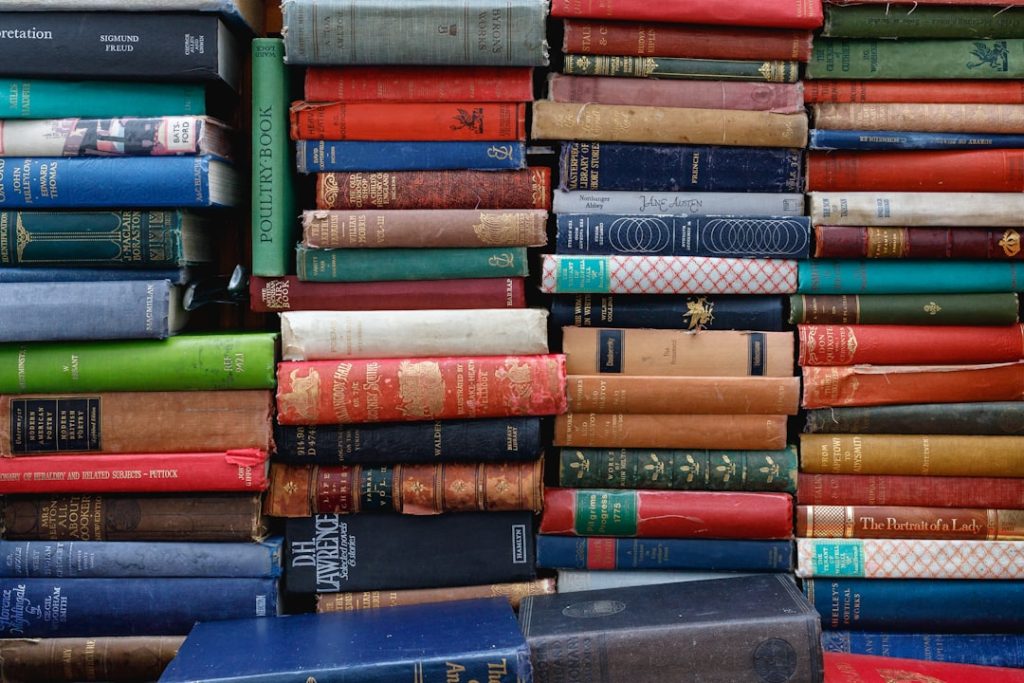
Every list of the best English novels eventually shrinks to the same dozen titles arranged in slightly different order. This one is different because it commits to opinions: which novel actually deserves the top spot, which classics are overrated, and which ones you should read first if you are just starting out. We ranked 25 novels written in English by literary merit, readability, cultural impact, and reader consensus, but the final order reflects judgment, not averaging.
How We Ranked These Novels
We weighed four factors, in this order of priority: literary merit (does the prose itself do something only a novel can do?), cultural impact (did it change what novels could become?), readability (can a smart non-specialist actually finish it?), and reader consensus (has it survived enough generations to count as canonical?). A novel that is brilliant but unreadable scores lower than one that is brilliant and accessible. A novel that everyone has heard of but few genuinely love scores lower than one with a smaller but more passionate following.
This is a curated, opinionated list, not a crowdsourced aggregate. If you want a democratic ranking, Goodreads has dozens. We are more interested in giving you a take you can argue with. Storytelling traditions across cultures remind us that the best stories, whether in a centuries-old Urdu oral tradition or a 600-page Victorian epic, share the same DNA: character, consequence, and the question of what it costs to be human.
The 25 Best English Novels, Ranked
Here is the full ranking at a glance. Each entry gets a review below, grouped into three tiers: Honorable Mentions (25 to 18), Essential Reading (17 to 9), and the All-Time Greats (8 to 1).
| Rank | Title | Author | Year | Difficulty |
|---|---|---|---|---|
| 1 | Ulysses | James Joyce | 1922 | Challenging |
| 2 | Pride and Prejudice | Jane Austen | 1813 | Beginner-friendly |
| 3 | Moby-Dick | Herman Melville | 1851 | Challenging |
| 4 | Middlemarch | George Eliot | 1872 | Challenging |
| 5 | Great Expectations | Charles Dickens | 1861 | Beginner-friendly |
| 6 | Mrs Dalloway | Virginia Woolf | 1925 | Challenging (short) |
| 7 | The Lord of the Rings | J.R.R. Tolkien | 1954 | Moderate |
| 8 | The Great Gatsby | F. Scott Fitzgerald | 1925 | Beginner-friendly |
| 9 | To Kill a Mockingbird | Harper Lee | 1960 | Beginner-friendly |
| 10 | Wuthering Heights | Emily Bronte | 1847 | Challenging |
| 11 | Jane Eyre | Charlotte Bronte | 1847 | Beginner-friendly |
| 12 | Nineteen Eighty-Four | George Orwell | 1949 | Beginner-friendly |
| 13 | The Handmaid’s Tale | Margaret Atwood | 1985 | Beginner-friendly |
| 14 | The Picture of Dorian Gray | Oscar Wilde | 1890 | Beginner-friendly |
| 15 | Beloved | Toni Morrison | 1987 | Challenging |
| 16 | The Road | Cormac McCarthy | 2006 | Beginner-friendly |
| 17 | Atonement | Ian McEwan | 2001 | Moderate |
| 18 | The Color Purple | Alice Walker | 1982 | Beginner-friendly |
| 19 | The Remains of the Day | Kazuo Ishiguro | 1989 | Beginner-friendly |
| 20 | Never Let Me Go | Kazuo Ishiguro | 2005 | Beginner-friendly |
| 21 | Frankenstein | Mary Shelley | 1818 | Moderate |
| 22 | Brave New World | Aldous Huxley | 1932 | Beginner-friendly |
| 23 | Rebecca | Daphne du Maurier | 1938 | Beginner-friendly |
| 24 | The Catcher in the Rye | J.D. Salinger | 1951 | Beginner-friendly |
| 25 | White Teeth | Zadie Smith | 2000 | Beginner-friendly |
25 to 18: Honorable Mentions Tier

25. White Teeth (Zadie Smith, 2000)
Smith’s debut crams three families, four decades, and a century of postcolonial guilt into 500 pages that somehow never lose their comedic bounce. It announced a talent that English fiction had been waiting for. Who it’s for: readers who think literary fiction takes itself too seriously. Beginner-friendly.
24. The Catcher in the Rye (J.D. Salinger, 1951)
The book that invented teenage alienation still does it better than any imitator, if you can accept that every edgy narrator since owes it royalties. Holden’s voice is the achievement: casual, repetitive, and heartbreakingly transparent in what it hides. Who it’s for: anyone who has ever felt like the only honest person in the room. Beginner-friendly.
23. Rebecca (Daphne du Maurier, 1938)
A gothic thriller disguised as a romance, building dread through what it withholds rather than what it reveals. The unnamed narrator’s shrinking sense of self is the real horror, not the ghost of Rebecca. Who it’s for: fans of atmosphere and slow-burn suspense. Beginner-friendly.
22. Brave New World (Aldous Huxley, 1932)
Huxley’s dystopia hasn’t aged a day because he foresaw that pleasure, not pain, would be the tool of control. Every notification on your phone is a small confirmation of his thesis. Who it’s for: readers who think 1984 gets too much credit. Beginner-friendly.
21. Frankenstein (Mary Shelley, 1818)
Shelley was 18 when she wrote the novel that created science fiction, and the book’s real monster is ambition, not the creature. The framing device slows modern readers down, but the creature’s demand for a mate remains one of the most ethically complex passages in English literature. Who it’s for: anyone interested in the moral cost of creation. Moderate.
20. Never Let Me Go (Kazuo Ishiguro, 2005)
Ishiguro makes you grieve for people who aren’t, technically, people, and he does it through calm, devastating understatement rather than any dramatic reveal. The key facts are delivered so quietly you barely notice them. Who it’s for: readers who prefer heartbreak delivered sideways. Beginner-friendly.
19. The Remains of the Day (Kazuo Ishiguro, 1989)
A butler reflects on a life of service and the quiet catastrophe of never having lived for himself. Ishiguro proves restraint can break your heart harder than any melodrama, and the unreliability of Stevens’s narration is so subtle you may not notice it until the final pages. Who it’s for: anyone who has ever sacrificed the personal for the professional. Beginner-friendly.
18. The Color Purple (Alice Walker, 1982)
Walker’s epistolary novel turns a story of abuse into one of the most joyful assertions of human dignity in American literature. The letters to God evolve into letters to the world, and that shift in address is the whole arc. Who it’s for: readers who want literary craft that doesn’t sacrifice emotional directness. Beginner-friendly.
17 to 9: Essential Reading Tier
17. Atonement (Ian McEwan, 2001)
McEwan builds a story about the destructive power of a single lie, then pulls a metafictional trick that forces you to rethink everything you just read. The first 100 pages are slow; the last 50 are devastating. The central theme: storytelling itself can be an act of atonement or an act of evasion, and the novel never quite tells you which. Who it’s for: readers who like novels that interrogate their own form. Moderate.
16. The Road (Cormac McCarthy, 2006)
McCarthy strips prose to bone and gravel, proving that a post-apocalyptic novel can be a love story between a father and son. The lack of quotation marks is a stylistic choice that earns its keep by mirroring the stripped-down world. Notable line: “If he is not the word of God God never spoke.” Who it’s for: readers who can handle bleakness in exchange for beauty. Beginner-friendly.
15. Beloved (Toni Morrison, 1987)
Morrison turns historical horror into ghost story, and the result is more haunting than any conventional narrative of slavery could be. The fragmented timeline demands patience, but every shard cuts. Morrison’s prose moves between the lyrical and the brutal without warning, which is itself the experience of her characters. Who it’s for: readers ready for a novel that refuses to comfort them. Challenging.
14. The Picture of Dorian Gray (Oscar Wilde, 1890)
Wilde hides a moral tale inside a celebration of aestheticism, and his epigrams are so quotable they’ve outlived the novel that contains them. Lord Henry’s voice is the engine, and the novel’s secret is that Wilde knows Henry is both right and poison. Who it’s for: anyone who likes their morality served with wit. Beginner-friendly.
13. The Handmaid’s Tale (Margaret Atwood, 1985)
Atwood built her dystopia from real historical precedents, which is exactly why it keeps finding new relevance in every decade. The ending refuses closure, and that refusal is the point: Offred’s story is incomplete because history silences women by making their stories unconfirmable. Who it’s for: readers who want dystopia grounded in documentary realism, not fantasy. Beginner-friendly.
12. Nineteen Eighty-Four (George Orwell, 1949)
Orwell’s prose is deliberately plain, which makes the ideas land harder. The true horror isn’t surveillance but the dismantling of language itself: if you can eliminate the words for freedom, you eliminate the possibility of wanting it. The appendix on Newspeak is the most chilling part of the book, and most people skip it. Who it’s for: everyone. Beginner-friendly.
11. Jane Eyre (Charlotte Bronte, 1847)
Bronte created a heroine who insists on her own worth in a world designed to deny it, and she did it with a first-person voice so intimate it feels like eavesdropping. Jane’s famous “I have as much soul as you” speech is still revolutionary in its demand for equality that is spiritual, not just social. Who it’s for: readers who want a protagonist with a spine. Beginner-friendly.
10. Wuthering Heights (Emily Bronte, 1847)
Every character is awful, the romance is destructive, and the narrative frame is unnecessarily complicated, yet the whole thing pulses with a wildness no other novel matches. Emily Bronte wrote exactly one novel and it was unlike anything before or since, a fact that should make you suspicious of anyone who calls it a love story. Who it’s for: readers who like their fiction feral. Challenging.
9. To Kill a Mockingbird (Harper Lee, 1960)
Lee’s novel works because it filters systemic injustice through a child’s bewildered perspective, and Atticus Finch works because he is an ideal you aspire to, not a person you fully understand. The trial scene is masterful, but the real novel is in Scout’s narration, which holds innocence and intelligence in a balance that should be impossible. Who it’s for: the best entry point to literary fiction for younger readers. Beginner-friendly.
8 to 1: The All-Time Greats
8. The Great Gatsby (F. Scott Fitzgerald, 1925)
Fitzgerald wrote the shortest great American novel, and every sentence is polished to a high sheen. The green light, the eyes of T.J. Eckleburg, the “boats against the current” closing line: these aren’t symbols wedged into a story, they grow organically from Gatsby’s delusion that you can repeat the past. What makes it endure isn’t the glamour but the precision of its sadness. At under 180 pages, there is no wasted scene, no loose thread, no sentence that doesn’t earn its place. If you want to understand what a novel can do in minimum space, this is the textbook. Who it’s for: anyone who thinks short means slight. Beginner-friendly.
7. The Lord of the Rings (J.R.R. Tolkien, 1954)
Tolkien created a genre and then wrote its masterpiece, and the fact that fantasy has spent 70 years trying to catch up tells you something. What separates it from imitators isn’t the world-building, which is extraordinary, but the moral weight: the ring is a metaphor that works because it is also a physical object that corrupts through desire, not evil intent. The poetry sections and songs drag for modern readers, but they are the soil the story grows from. Tolkien’s prose style is deliberately archaic, which is a feature, not a flaw: he is writing a myth, not a thriller. Who it’s for: readers who want immersion, not pacing. Moderate.
6. Mrs Dalloway (Virginia Woolf, 1925)
Woolf compresses an entire life into a single day, moving between consciousnesses with a fluidity that makes every other novel feel stiff. The novel’s genius is structural: Clarissa’s party and Septimus’s suicide are two threads of the same argument about whether life is worth living, and Woolf never tells you which side wins. The famous tunneling technique, where she digs into characters’ memories without warning, means you are always slightly off-balance, which is exactly how consciousness actually feels. At under 200 pages it is short, but density is not the same as length. Who it’s for: readers ready to experience prose as music. Challenging but short.
5. Great Expectations (Charles Dickens, 1861)
Dickens wrote at least four masterpieces, but this is the tightest. The plot has actual structure (rare for Dickens, who usually wrote serially and made it up as he went), the first-person narration has self-aware irony, and Miss Havisham is one of the most precisely realized characters in English fiction. The ending was revised and both versions are still argued about, which tells you the novel refuses to settle even when its author tried. Pip’s slow recognition that his benefactor is not who he hoped is one of the great disillusionment arcs in fiction, and Dickens handles it with a tenderness he usually reserves for children. Who it’s for: the best Dickens to start with. Beginner-friendly.
4. Middlemarch (George Eliot, 1872)
Eliot’s novel is the one critics keep choosing as the greatest English novel, and it earns it through sheer scope married to granular psychological insight. Every subplot connects to every other, and Dorothea’s desire to live a meaningful life within the constraints of her gender is rendered with a seriousness that never tips into sermon. The narrator is a character in her own right, and her asides on human nature are often better than the scenes they interrupt. Virginia Woolf called it “one of the few English novels written for grown-up people,” and that remains the best one-line description. At 900 pages it requires commitment, but the payoff is that no other novel gives you a fuller sense of how individual lives are entangled with social systems. Who it’s for: readers ready for a novel that rewards sustained attention. Challenging but rewarding.
3. Moby-Dick (Herman Melville, 1851)

Melville wrote a whaling manual, a philosophical treatise, a Shakespearean tragedy, and a cosmic joke, then bound them between the same covers. The cetology chapters that readers skip are actually the point: Ahab’s monomania is the novel’s structure, and Melville’s refusal to stick to one genre mirrors the whale’s refusal to be captured. The chapter “The Whiteness of the Whale” is one of the strangest and most powerful passages in English prose, an essay on a color that becomes an essay on terror. It sank Melville’s career when it was published and became canonical a century later, which is itself a lesson in how slowly greatness is recognized. It is the most ambitious novel in English, and its ambition is inseparable from its difficulty. Who it’s for: readers who want to attempt the summit. Challenging.
2. Pride and Prejudice (Jane Austen, 1813)
Austen’s novel is the one people reread most, and the reason is mechanical: her dialogue is engineered so precisely that you can infer subtext from sentence rhythm alone. Elizabeth Bennet is the template for every witty, independent heroine who followed, but what is less discussed is how ruthlessly Austen punishes characters who lack self-knowledge. Mr. Collins is not just a comic figure; he is a demonstration of what happens when someone is entirely opaque to themselves. The novel reads like a romantic comedy and operates like a moral X-ray. Austen’s free indirect discourse, where the narrator’s voice blends into the character’s thoughts, was essentially invented here, and every modern novel that uses it is in her debt. Who it’s for: everyone, but especially readers who think they don’t like classics. Beginner-friendly.
1. Ulysses (James Joyce, 1922)
Joyce set one day in Dublin and made it contain all of Western literature, every style of English prose, and the entire anatomy of human consciousness. The “Ithaca” catechism chapter and Molly Bloom’s soliloquy alone would justify the novel’s reputation, but together they form something that no summary can contain. Each chapter is written in a different style: a newspaper headline format, a catechism, a play script, a hallucinatory pantomime, and the famous final monologue that runs for 24,000 words without a punctuation mark. It is hard. It is supposed to be hard. Joyce once said the novel would keep critics busy for 300 years, and a century in, he looks right. No other English novel expanded the definition of what a novel can be, and no other has resisted simplification so completely. It earns the top spot because it is the novel that makes every other novel on this list possible, by proving that prose fiction has no upper limit. Who it’s for: readers who want the full capability of the English language deployed in a single work. Challenging.
Frequently Asked Questions
Common questions about the best English novels, answered briefly.
Start Reading Tonight
If you are new to classic fiction, start with Pride and Prejudice or The Great Gatsby. Both are short, accessible, and give you the full experience of what a great novel can do without demanding months of your life. If you want a challenge, work toward Ulysses by reading Dubliners and A Portrait of the Artist as a Young Man first. If you want something in between, Great Expectations and To Kill a Mockingbird are the sweet spot: substantial but welcoming.
The novels on this list share something with the storytelling traditions we celebrate at Urdu Moral Stories: the conviction that a good story, told with craft and moral seriousness, can change how you see the world. Whether it is a children’s story about friendship and sharing or a 900-page Victorian epic, the principle is the same. Character. Consequence. The cost of being human.
Pick one. Start tonight. And if you disagree with our ranking, that is the point. The best English novels are the ones you argue about, not the ones you passively accept.
Frequently Asked Questions
What is considered the best English novel of all time?
Among literary critics, Middlemarch by George Eliot frequently tops polls. In a 2015 BBC Culture poll of global critics, Middlemarch was voted the greatest British novel. However, Ulysses, Pride and Prejudice, and Moby-Dick are all serious contenders, and the answer depends on whether you prioritize influence, readability, or ambition.
What is the best English novel to start with?
Beginner-friendly classics like Pride and Prejudice, The Great Gatsby, or Jane Eyre are excellent starting points. They are accessible in style but rich enough to reward close reading. To Kill a Mockingbird is also a great first classic for younger readers or anyone returning to fiction after a long break.
Is Ulysses really worth reading?
Yes, but with preparation. Ulysses rewards readers who approach it with a guide, such as Harry Blamires’ The New Bloomsday Book, and realistic expectations. Reading Joyce’s Dubliners and A Portrait of the Artist as a Young Man first is strongly recommended. It is not meant to be breezed through, and that is part of the point.
Does ‘English novel’ mean British novels only?
Not necessarily. We use it to mean novels written in the English language, regardless of the author’s nationality. This list includes American, Irish, and British authors. Some lists restrict the term to British novels, but excluding Melville, Morrison, or McCarthy would make the ranking less useful.
Which novels on this list are the hardest to read?
Ulysses, Moby-Dick, Middlemarch, Beloved, and Mrs Dalloway are the most challenging. They demand patience with unconventional structure, dense prose, or fragmented timelines. If you are new to literary fiction, start with the beginner-friendly entries and work your way up.